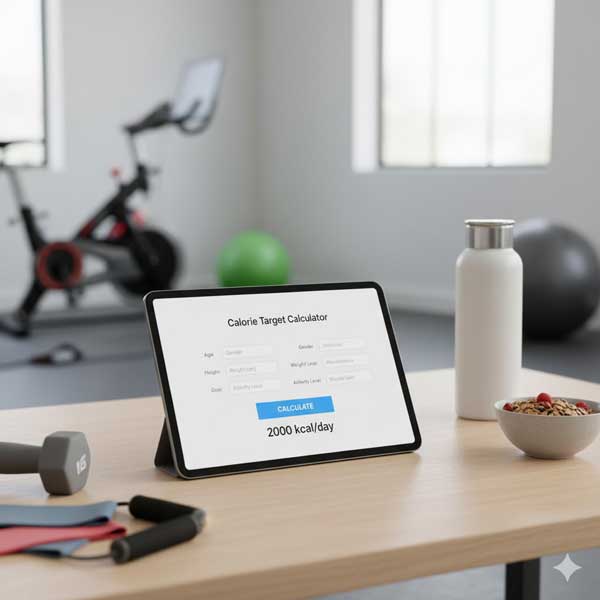
Our Protein Intake Calculator helps you determine how much protein your body needs each day to stay healthy, build muscle, or support fat loss. Based on your weight, age, gender, activity level, and fitness goal, this tool calculates the ideal daily protein intake in grams.
Protein plays a vital role in repairing tissues, building muscle, maintaining a healthy metabolism, and keeping you full longer. Whether you’re a gym-goer, athlete, or someone improving overall nutrition, this protein calculator helps you plan your meals with precision.
No more guessing — get an accurate, science-backed protein target instantly and start fueling your body for success!
How to Use the Tool (Step-by-Step)
- Enter your age, gender, weight, and height.
- Select your activity level (from sedentary to very active).
- Choose your fitness goal – maintain, lose fat, or build muscle.
- Click “Calculate Protein Needs.”
- Instantly view your recommended daily protein intake (grams/day).
Key Features & Benefits
- Accurate & Science-Based: Uses current nutritional research for optimal results.
- Personalized: Tailored to your weight, activity, and goal.
- Supports Fitness Goals: Perfect for Muscle Gain, fat loss, or maintenance.
- Practical for Meal Planning: Helps you balance daily macros effectively.
- Mobile-Friendly Design: Access it easily from any device.
Example Calculation (Practical Use Case)
Example:
- Weight: 70 kg
- Activity Level: Moderately Active
- Goal: Muscle Gain
Recommended daily protein intake = 1.8 g × 70 kg = 126 grams/day
That’s roughly the protein in 5 eggs, 1 Chicken Breast, and 1 scoop of Whey Protein combined.
Additional Tips for Meeting Your Protein Goals (150–200 words)
To hit your protein target effectively, plan meals around high-quality protein sources. Include lean meats like chicken, turkey, or fish; plant-based proteins such as beans, lentils, tofu, and quinoa; and snacks like Greek yogurt or nuts.
Distribute your protein intake evenly throughout the day — for example, 25–30 grams per meal. This supports better muscle protein synthesis and keeps you full longer.
Hydration also matters: drink plenty of water, especially if you consume higher protein levels. Finally, track your intake using a Recipe Nutrition Calculator or Macronutrient Calculator to ensure your diet stays balanced.
Small adjustments can make a big difference — consistency is key for both fat loss and muscle growth.
Conclusion
The Protein Intake Calculator is your go-to tool for personalized nutrition planning. Whether you’re aiming to build lean muscle, lose fat, or stay fit, knowing your ideal protein intake helps you reach your goals faster. Use it daily, plan smarter meals, and explore our other Health Calculators for a complete fitness journey!