
Nothing beats a well-cooked omelette first thing in the morning — fluffy eggs, even cooking, and easy folding or flipping. But the foundation of that perfect omelette is the right pan. In this guide, we reviewed seven of the best omelette pans available now. We evaluated them based on heat distribution, non-stick performance, ease of cleaning, durability, and user convenience. Whether you prefer a light non-stick skillet, a PFAS-free ceramic pan, or a naturally seasoning carbon steel pan, there’s a top pick here for you. Each pan offers unique strengths — from quick, even heat and easy release to long-lasting build and chemical-free cooking surfaces. By the end, you’ll know whether to go with a budget-friendly skillet for daily eggs or invest in a premium pan that will serve for years. Check out our top picks below and choose the one that suits your cooking style and budget.
7 Best Omelette Pans
Top 4 Picks Summary

Cuisinart Chef’s Classic Hard-Anodized 8-Inch Nonstick Skillet
Best Budget-Friendly Omelette Pan
Check PriceTop 3 Product Comparison
| Feature |
|
|
|
|---|---|---|---|
| Rating | 4.9 / 5 | 4.7 / 5 | 4.6 / 5 |
| Verdict | Best Natural & Long-Lasting Pan | Best Balanced Nonstick Pan | Best PFAS-free Option |
| Pros |
|
|
|
| Check Price | Check Price | Check Price |
Individual Product Reviews
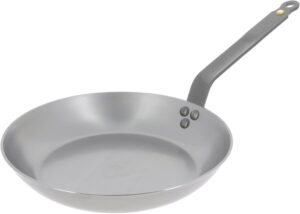
De Buyer MINERAL B Carbon Steel Omelette Pan 9.5"
A classic carbon steel omelette pan from France, designed with gently rounded edges that make sliding or folding omelettes effortless. It heats quickly and evenly, and once properly seasoned, the surface becomes naturally nonstick without any synthetic coating. Free from PFAS/PFOA, it’s a durable, long-lasting pan that improves with age — ideal for those who prefer chemical-free cookware and long-term value.
Pros
- Naturally nonstick after seasoning
- Chemical-free
- Excellent heat response
- Rounded edges for easy sliding
Cons
- Needs seasoning before first use
- Initial maintenance required
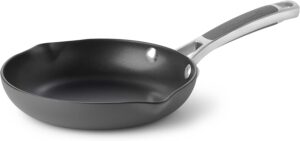
Calphalon Contemporary Hard-Anodized 8-Inch Omelette Pan
The Calphalon Contemporary pan features a heavy-gauge hard-anodized aluminum body for even heating and a durable, PFOA-free nonstick surface. Its sloped sides make flipping and sliding omelettes easier, and the cool-touch stainless steel handle stays comfortable during cooking. Oven-safe and built for everyday use, it balances performance and convenience well.
Pros
- Even heating
- Durable nonstick coating
- Easy flipping
- Oven-safe
Cons
- Nonstick coating may wear over time
- Not PFAS-free ceramic
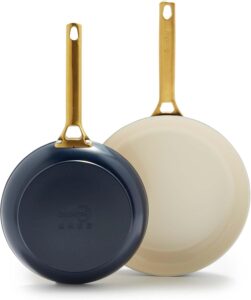
GreenPan Hard Anodized Healthy Ceramic Nonstick 10
This GreenPan Hard Anodized ceramic pan is a PFAS/PFOA-free choice with a hard, chip-resistant nonstick surface. Its wide base and gently sloped sides make it ideal for omelettes, frittatas, or scrambled eggs. Thanks to ceramic coating, clean-up is simple and you avoid the potential concerns of traditional nonstick chemicals. It also heats evenly and works on most stovetops.
Pros
- PFAS-free ceramic nonstick
- Easy cleanup
- Wide cooking surface
- Good for omelettes & more
Cons
- Coating may degrade over time
- Not ideal for very high heat searing
Cuisinart Chef’s Classic Hard-Anodized 8-Inch Nonstick Skillet
A wallet-friendly, lightweight nonstick skillet that heats evenly and allows eggs and omelettes to slide off easily. Though compact and simple, it’s great for daily breakfasts and quick cooking. Oven-safe up to 500°F, it offers reliable performance for everyday use — though its coating may require careful maintenance.
Pros
- Affordable
- Lightweight
- Good nonstick surface
- Oven-safe
Cons
- Coating less durable
- Not ideal for heavy-duty use
Norpro Nonstick Omelet Pan

The Norpro Nonstick Omelet Pan is designed to simplify omelet preparation and deliver consistent results. Here’s an overview of its features, along with some pros and cons.
Pros
- User-Friendly: The flip-over design makes it easy to fold omelets
- Easy to Clean: The nonstick surface allows for hassle-free cleaning
- Versatility: Ideal not just for omelets but also for cooking other items
- Durability: Constructed from quality materials that provide decent longevity with proper care.
Cons
- Thin Construction: Some users report that the lightweight design may not withstand heavy use and could warp over time.
- Hand Wash Recommended: Not dishwasher safe, which might deter some users looking for lower maintenance.
SENSARTE Ceramic Nonstick Omelette Pan
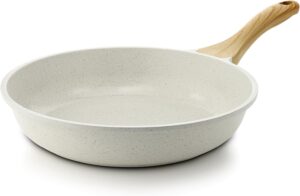
This SENSARTE pan offers a ceramic nonstick surface that’s free from PFAS/PTFE, making it a healthier alternative for egg cooking. It features gently sloped sides for easy flipping and sliding of omelettes, and a lid that helps finish thicker eggs or frittatas. Easy to clean and versatile beyond just omelettes, it’s ideal for users seeking a safer, non-toxic cooking option.
Pros
- PFAS-free ceramic nonstick
- Easy cleaning
- Flip-friendly design
- Includes lid
Cons
- Coating may wear with heavy use
- Not ideal for high-heat searing
Comparison Table – Omelette Pan Materials
| Material | Nonstick Performance | Durability | Weight | Heat Response | Maintenance | Best For |
|---|---|---|---|---|---|---|
| Traditional Nonstick (PTFE) | Excellent (easy release) | Moderate (coating wears over years) | Light | Fast & even | Avoid high heat | Beginners & quick everyday omelettes |
| Ceramic Nonstick | Very good (healthy, PFAS-free) | Moderate | Light–Medium | Even heating | Avoid high heat; gentle utensils | Health-conscious cooks |
| Carbon Steel | Excellent after seasoning | Very high (lifetime use) | Medium | Fast, very responsive | Must season; hand-wash | Chefs, advanced home cooks |
| Cast Iron | Good after seasoning | Lifetime | Heavy | Slow but excellent retention | Needs seasoning & oiling | High heat cooking, durability lovers |
| Stainless Steel | Low (not ideal for eggs) | Very high | Medium | Fast & responsive | Technique needed | NOT recommended for omelettes |
Buying Guide – How to Choose the Best Omelette Pan
1. Choose the Right Material
-
Nonstick / PTFE: easiest for eggs, great for beginners
-
Ceramic nonstick: chemical-free alternative
-
Carbon steel: professional-grade, becomes naturally nonstick
-
Cast iron: durable but heavy
Choose based on your priorities: ease, longevity, or performance.
2. Size Matters
-
8-inch pan: 1–2 egg omelette
-
10-inch pan: 3–4 egg omelette
-
Sloped sides help with folding and sliding.
3. Handle Comfort & Weight
A well-balanced, cool-touch handle makes flipping and swirling eggs easier. Avoid pans that feel too heavy if you frequently tilt the pan.
4. Oven-Safe or Not?
If you finish your omelettes in the oven (French-style), ensure your pan is oven-safe.
5. Compatibility With Your Cooktop
Induction cookware requires:
✔ Stainless steel
✔ Carbon steel
✔ Cast iron
✘ Many aluminum nonstick pans unless they include a steel base
How to Season Your Omelette Pan (For Carbon Steel & Cast Iron)
- Wash and dry the pan.
- Add a teaspoon of oil (flaxseed, canola, grapeseed).
- Spread a thin layer across the entire surface.
- Heat on medium until the oil smokes.
- Let cool, wipe excess, repeat 2–3 times.
This creates a natural nonstick layer that improves every time you cook eggs.
How to Clean Different Types of Omelette Pans
Nonstick & Ceramic
- Use warm water and mild soap.
- Avoid metal utensils.
- Never use abrasive scrubbers.
- Hand-wash only (even if labeled dishwasher-safe).
Carbon Steel / Cast Iron
- Rinse while warm, wipe with a paper towel.
- For stuck bits: simmer water for 1 minute, then wipe.
- Dry immediately and oil lightly to prevent rust.
General Tip
Avoid sudden temperature changes—this can warp pans or damage coatings.
Frequently Asked Questions
What makes an omelette pan different from a regular frying pan?
Omelette pans usually have gently sloped sides, allowing the omelette to slide, fold, and flip without breaking. They also tend to heat evenly and feature smooth, nonstick cooking surfaces that help eggs release easily. Some are specifically sized between 8–10 inches — the ideal dimensions for a single or double-egg omelette.
Which material is best for cooking omelettes?
Nonstick and ceramic pans are easiest for beginners because the eggs slide off effortlessly. Carbon steel pans become naturally nonstick with seasoning and last a lifetime. Cast iron works as well but is heavier and slower to heat. The “best” material depends on whether you prefer convenience or longevity.
Can I use a metal spatula on an omelette pan?
It depends on the coating. Metal utensils will scratch traditional nonstick and ceramic coatings. However, they are safe on carbon steel and cast iron pans. If you want long-term durability without worrying about utensils, carbon steel is the safest choice.
Why does my omelette stick even when using a nonstick pan?
Common reasons include using high heat, not pre-heating the pan properly, cooking with too little fat, or damage to the coating. Omelettes cook best on medium-low heat with a teaspoon of butter or oil.
Are omelette pans oven-safe?
Many are oven-safe, especially stainless steel, carbon steel, and cast iron omelette pans. Traditional PTFE nonstick pans are usually safe up to around 350–500°F depending on the brand. Always check the manufacturer’s maximum oven temperature.
About the Author
